
English


Views: 0 Author: Site Editor Publish Time: 2026-03-15 Origin: Site


Frequent filter replacement in commercial HVAC systems costs more than the price of the filter itself. In many buildings, the larger cost comes from repeated maintenance labor, system interruptions, disposal of used filters, and performance loss as filters load up over time. For facility managers and building operators, that means filter choice affects not only air quality, but also operating cost, service planning, and long-term system efficiency.
This is why many commercial projects are taking a closer look at alternatives to disposable media. In the right application, a high-efficiency electrostatic filter can help reduce replacement frequency, lower maintenance demand, and support more stable HVAC performance. For ventilation-heavy properties, an electrostatic filter for ventilation systems may also offer a better balance between filtration performance and lifecycle cost than a replace-and-discard model.
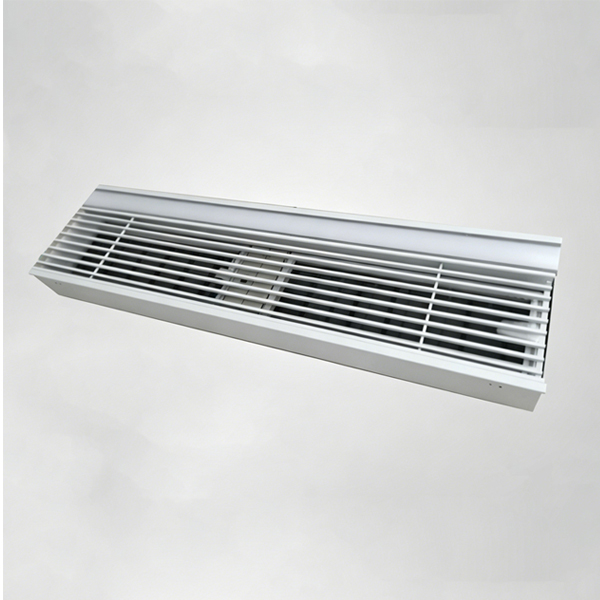
On paper, replacing filters may seem routine. In practice, frequent replacement creates a chain of recurring costs that building teams often underestimate at the procurement stage.
Each replacement cycle requires staff time or outside service support. The task may include:
shutting down or isolating part of the system
opening filter sections
removing loaded filters
installing new units
checking seals and airflow conditions
documenting the maintenance cycle
For a single small unit, this may not seem significant. In a commercial building with multiple air handling units, fan coil systems, or centralized ventilation equipment, the labor burden grows quickly. The more often a filter requires replacement, the more often that labor cost returns.
Even planned maintenance can disrupt normal operation. This is especially relevant in:
office buildings with high occupancy
retail spaces with long operating hours
healthcare-adjacent environments
elderly care facilities
hotels, schools, and mixed-use properties
If replacement must happen during occupied hours, building teams may need to work around tenant schedules, access restrictions, or noise limitations. If it happens after hours, labor costs may rise further.
Disposable filters do not end their cost at purchase. They also create a disposal workflow. Used filters often contain dust, fine particles, biological contaminants, and other captured debris. Depending on the site and local handling requirements, disposal may involve extra care, storage, and service coordination.
For buildings focused on sustainability targets, heavy filter waste can also work against internal environmental goals.
As disposable filters load with dust, airflow resistance may increase. In many systems, that can place additional burden on fans and reduce overall operating efficiency. Over time, a filter strategy that looks affordable at the unit price level may prove less efficient at the system level.
This is one reason why many building operators no longer assess filters by purchase cost alone. They evaluate filters by total operating impact.
A better way to assess filter value is to look at lifecycle cost, not just replacement price. In commercial HVAC planning, the most useful cost categories usually include the following.
This is the easiest number to compare, but it is also the most incomplete. A lower-priced filter can still become the more expensive option if it requires frequent replacement, raises labor demand, or contributes to higher system resistance over time.
This includes the internal or external labor required for scheduled replacement, inspection, and handling. Buildings with multiple units or difficult-access mechanical rooms often feel this cost more strongly.
If maintenance interrupts conditioned airflow or requires access coordination, the operational cost may be larger than expected. This is particularly important in sites where HVAC continuity matters.
Repeated disposal of used filters adds a long-term cost that many buyers overlook during initial product comparison.
Filter selection affects pressure drop, fan workload, and airflow stability. In many commercial buildings, this has a direct link to operating efficiency.
A filter strategy built around short replacement intervals creates long-term dependence on supply availability, scheduling discipline, and recurring procurement. Any disruption in that chain can affect building performance.
Commercial buildings today face different pressures than they did a decade ago. Operators are expected to maintain indoor air quality, control energy use, reduce waste, and manage maintenance budgets at the same time. That combination is pushing more buyers to compare lifecycle performance rather than treating filters as a simple consumable.
In this context, a micro electrostatic filter for commercial buildings becomes relevant because the discussion is no longer only about “what captures particles.” It is about which filtration approach can support cleaner air without creating a high-frequency replacement burden.
Not all commercial buildings feel the same pain from replacement cycles. The issue is usually more serious in the following situations.
Buildings with steady foot traffic or dense occupancy often load filters faster. That means replacement intervals may shorten, especially when outdoor air intake is high or local air quality is poor.
In properties that rely heavily on fresh air exchange, an electrostatic filter for ventilation systems may draw attention because ventilation equipment often runs continuously or for long daily schedules. Frequent replacement in these systems can create ongoing operational friction.
Some buildings have equipment in ceiling voids, rooftops, tight plant rooms, or distributed service zones. In these cases, even a simple replacement becomes time-consuming and expensive.
In elderly care settings, operators typically pay close attention to air cleanliness, maintenance predictability, and system continuity. Frequent replacement may increase disturbance risk and service pressure. That does not mean one filter type fits every care facility, but it does mean maintenance burden deserves close review during specification.
A high-efficiency electrostatic filter changes the buying conversation because it is not designed around frequent disposal in the same way as traditional replace-and-discard media. Instead of focusing only on initial capture claims, building operators can ask a more useful question:
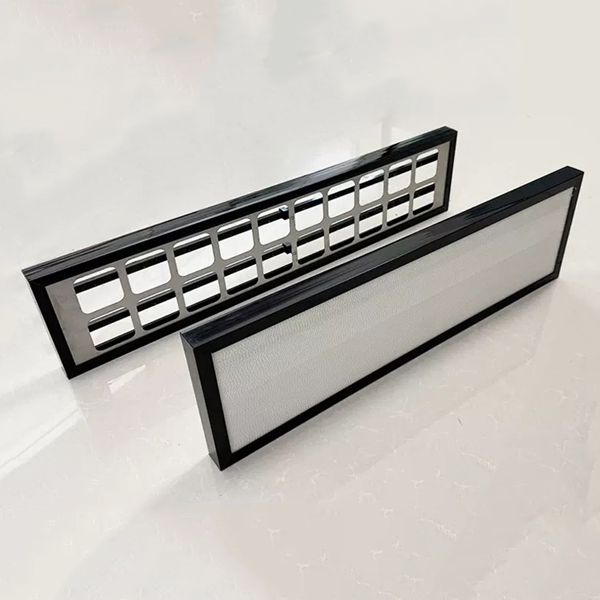
How much maintenance pressure does this filter create over its service life?
In the case of micro electrostatic filtration, the value often comes from a combination of practical factors.
A washable filter design can reduce dependence on repeated purchases and disposal cycles. The cleaning process for micro electrostatic filters is straightforward, typically requiring only water rinsing, removing the need for maintenance teams to carry complex specialized equipment.
If a filter is built for long service life and routine cleaning rather than constant replacement, facility teams may gain a more predictable maintenance schedule.
When a building does not need frequent filter changeouts, the service burden may become easier to manage across multiple HVAC zones.
For many HVAC operators, resistance is not a secondary issue. It is central to fan performance and energy use. A lower-resistance filtration approach may help maintain airflow more consistently over time, depending on system design and maintenance quality.
When buyers compare options, the most useful approach is to look at operating logic, not just product labels.
This model may be suitable in some projects, but it often involves:
repeated purchasing cycles
recurring installation labor
regular disposal of used media
performance changes as filters load
higher service frequency across multiple units
In the right application, this model may offer:
reduced replacement frequency
washable operation instead of repeated discard
lower consumable dependence
less maintenance interruption
a more lifecycle-focused cost structure
The key point is not that every reusable option is automatically better. The key point is that commercial buyers should compare total operational impact, not just purchase price.
Before selecting a filter strategy for a commercial property, buyers should ask practical questions that reflect real operating conditions.
A filter that performs well in theory may still create an expensive maintenance routine if it requires frequent changeouts or service visits.
A single unit cost tells very little about the actual effort required across multiple HVAC assets.
This question matters for energy use, system balance, and long-term fan performance.
The answer affects not only procurement cost, but also waste generation, cleaning procedures, and maintenance planning.
If the building depends heavily on outside air or long daily operating hours, an electrostatic filter for ventilation systems may deserve closer evaluation.
This is often the question that separates short-term procurement decisions from better long-term asset management.
Consider a commercial building with several air handling units serving offices, common corridors, and meeting areas. The building team initially chooses lower-cost disposable filters because the unit price seems easier to justify. Over time, the maintenance team finds that replacement is happening more often than expected due to dust loading and building occupancy patterns.
At that point, the building is not only paying for filters. It is paying for technician time, service coordination, waste handling, interrupted maintenance windows, and airflow management issues. If this pattern continues year after year, the filter strategy becomes a recurring operational cost center.
In that kind of scenario, a micro electrostatic filter for commercial buildings may be worth evaluating because the decision is no longer about a line-item purchase. It is about reducing repeated operational friction.
A micro electrostatic solution may be a good fit when a commercial project values the following:
reduced replacement frequency
washable operation
lower consumable use
stable performance in demanding operating environments
lower maintenance burden across multiple systems
a filtration option designed for commercial HVAC or ventilation applications
It may be particularly relevant in buildings that want to improve air quality while controlling total maintenance effort. That said, final filter selection should still reflect actual system design, airflow conditions, environmental load, and facility requirements.
Commercial HVAC decisions should not rely on marketing language alone. Before adopting any filtration technology, building owners and engineers should review:
equipment compatibility
required filtration level
airflow and static pressure conditions
cleaning and maintenance procedures
installation constraints
applicable safety and indoor air quality requirements
For sensitive environments such as elderly care facilities or other high-expectation indoor settings, professional technical review is especially important. A product may have strong advantages, but the final decision should still be matched to the actual building system and operating priorities.
The better question is:
How much does this filter strategy cost the building over time?
That is where many commercial teams uncover the real issue. Frequent replacement may look manageable at first, but it can quietly drive up labor demand, disposal volume, maintenance interruptions, and energy-related inefficiencies. For that reason, more buyers are evaluating whether a high-efficiency electrostatic filter or electrostatic filter for ventilation systems can deliver a better long-term operating model.
For commercial properties focused on lifecycle value, a micro electrostatic filter for commercial buildings is not just a filtration product category. It is a maintenance and cost-control decision.
Frequent filter replacement in commercial HVAC systems creates hidden costs that are easy to overlook during procurement. The true expense often includes labor, downtime, waste handling, and system performance impact over time. Buyers who want to reduce those pressures should compare filtration options through a lifecycle lens.

In many commercial settings, a reusable and high-efficiency electrostatic filter may be worth serious consideration because it can align air quality goals with lower maintenance intensity. The right choice will depend on the building, the ventilation setup, and the maintenance model in place, but the evaluation standard should be clear: not just what the filter costs to buy, but what it costs to keep using.


